Why Real-Touch Artificial Flowers Dominate High-End Commercial Decor

What Are Touch-Real Artificial Flowers?

Touch-real artificial flowers, also known as real-touch flowers, are made of upgraded soft elastic materials that simulate the natural texture, thickness, and tenderness of fresh flower petals. Unlike traditional stiff silk, plastic, or coarse fabric flowers, real-touch petals feature subtle vein textures, matte soft surfaces, natural curvature, and slight elasticity when touched.

Every petal is molded and colored according to real flower proportions, with natural gradient shades, non-glare finishing, and realistic layering. This combination of visual realism and authentic tactile feeling makes them indistinguishable from fresh flowers from a close distance or when touched by hand.


             real touch flowers flower stem  


Why Real-Touch Flowers Are Popular for Commercial Projects

1. Ultra Realistic Texture for High-End Scenarios

Fresh flowers are beautiful but fragile, short-lived, and easily affected by temperature, transportation, and venue environment. For luxury weddings, hotel lobbies, photography studios, and boutique shop displays, real-touch artificial flowers perfectly replace fresh blooms. Their soft petal texture, natural folding lines, and non-plastic touch deliver a high-end aesthetic that meets strict designer standards.

2. Durable, Reusable and Cost-Effective

One of the biggest advantages of touch-real floral products is reusability. Wedding rental businesses and event decoration teams can reuse real-touch flower arrangements dozens of times without deformation, fading, or texture hardening. Compared with disposable fresh flowers and low-grade fake flowers that become stiff and faded after one use, premium real-touch flowers greatly reduce long-term operating costs.

3. No Seasonal Limitations & Stable Supply

Fresh flowers are restricted by seasons, weather, and import cycles, often causing unstable supply and fluctuating prices. Touch-real artificial flowers can perfectly simulate all kinds of popular floral varieties, including peonies, roses, dahlias, and orchids, with consistent quality available all year round. For bulk wholesale buyers, this means stable lead time, fixed quality standards, and no seasonal shortage risks.

fake flowers

The Difference: Ordinary Silk Flowers VS Touch-Real Flowers

Many low-cost artificial flowers rely only on printed colors to simulate beauty, but their texture is stiff, smooth, plasticky, or overly shiny. Once customers touch them, the fake feeling is obvious and greatly reduces the grade of the whole decoration.

In contrast, touch-real flowers focus on texture restoration. The surface is soft, matte, and skin-friendly; the petals have natural slight wrinkles and vein details; the stems are flexible with realistic toughness. Even under close shooting, spotlight lighting, and guest contact, the flowers maintain a natural and premium presentation.
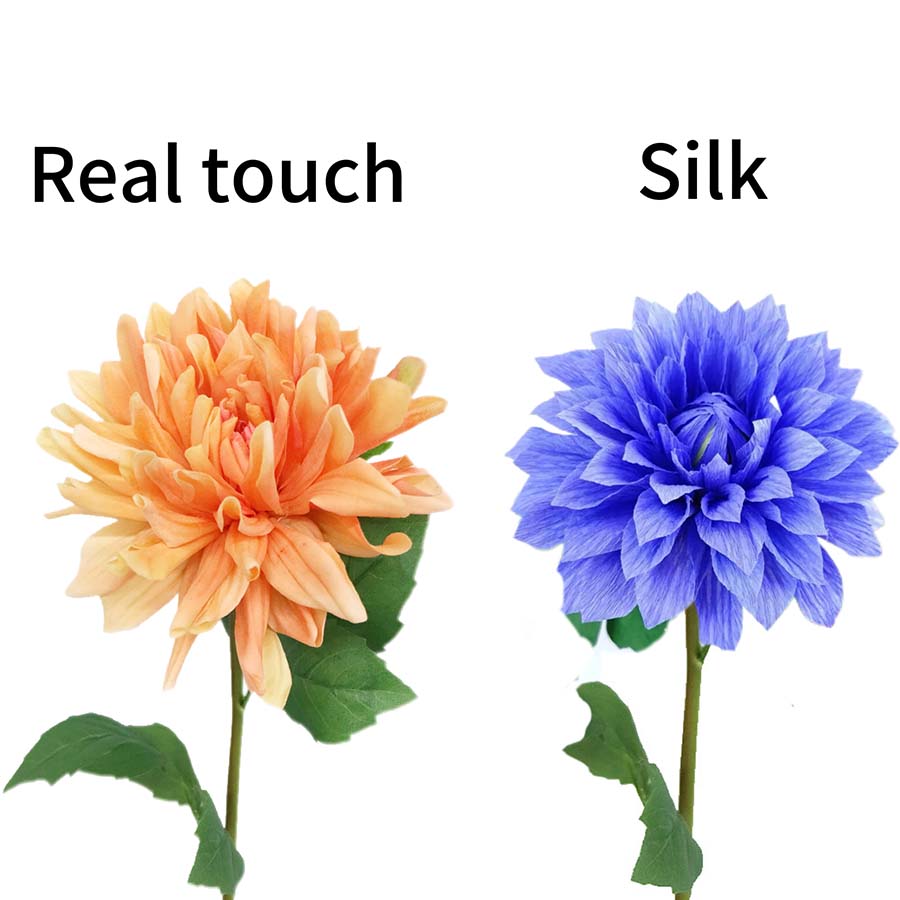
                      Different flower

Common Applications of Touch-Real Artificial Flowers

- Wedding & Event Decoration: Flower walls, arch arrangements, table centerpieces, and bridal bouquets

- Commercial Space Design: Hotel lobby decoration, cafe styling, shopping mall window displays

- Photography & Film Studio Props: High simulation effect for shooting close-ups

- Home & Luxury Interior Decoration: Long-term stable aesthetic without maintenance
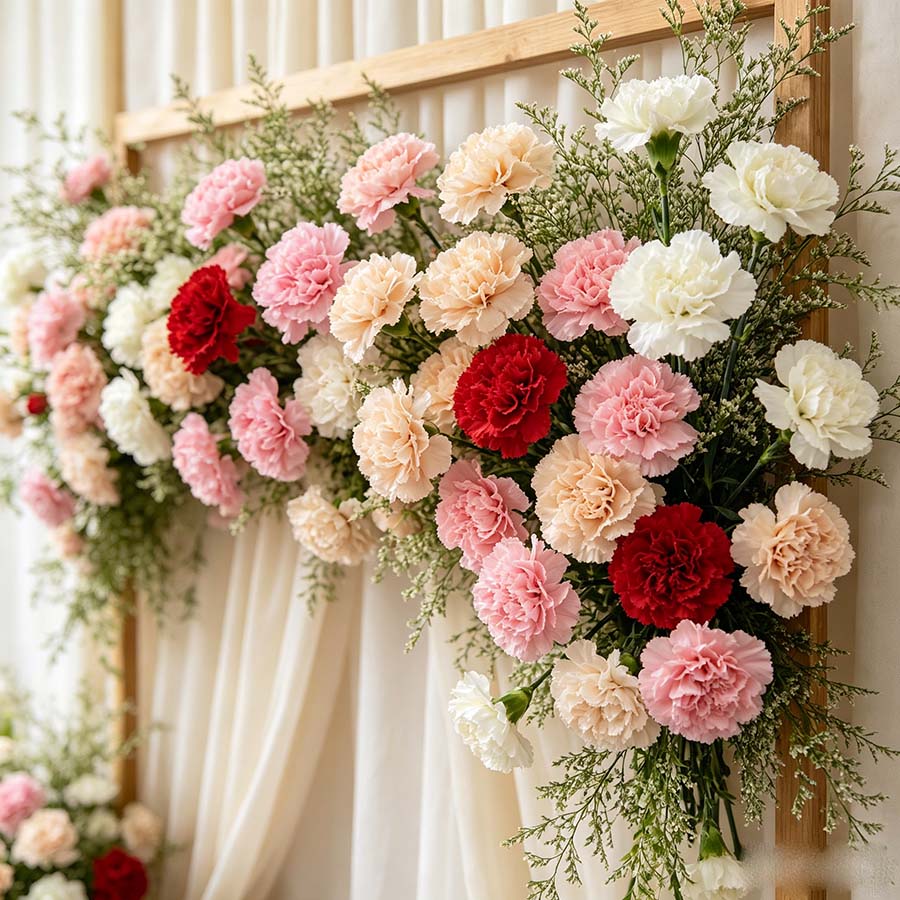
wedding decor flower  home decor flower   indoor decor flower

Final Thoughts

As the decorative industry continues to upgrade, customers are no longer satisfied with “looking real”. Feeling real has become the new standard for premium artificial flowers. Touch-real artificial flowers balance realistic appearance, authentic texture, durability, and cost performance, making them the best choice for modern commercial decoration and bulk wholesale orders.


If you are looking for high-quality touch-real artificial flowers for your project or wholesale business, welcome to contact us. We provide full-style catalogs, detailed texture photos, and real-touch sample support for global buyers.

How Foreign Traders Can Revitalize Clothing Stock with "Micro - Innovations

In the ever - evolving landscape of international trade, the issue of clothing stock deadstock has long haunted foreign traders. However, rather than viewing these stock goods as a burden, savvy traders are discovering that with a series of "micro - innovations," they can transform these overlooked items into highly sought - after products. This blog explores practical strategies that have proven effective in breathing new life into stagnant stock.


1. Design - Centric Micro - Innovations

One of the most impactful ways to revitalize clothing stock is through design - based micro - innovations. Simple alterations can make a world of difference. For example, adding trendy patches, embroidery, or sequins to plain T - shirts, jeans, or jackets can instantly update their appearance. A faded denim jacket can be transformed into a fashionable statement piece with the addition of colorful patches depicting popular cultural icons or nature motifs.


Another approach is to modify the silhouette of garments. A baggy, outdated dress can be tailored to a more contemporary, form - fitting style, enhancing its appeal. By leveraging existing materials and production capabilities, these minor design tweaks require minimal investment but can significantly boost the marketability of the products. These redesigned items can then be reintroduced to the market with a fresh marketing narrative, highlighting their unique, hand - crafted qualities.


2. Functional Micro - Innovations

In addition to aesthetic changes, functional micro - innovations can add real value to stock items. For instance, in regions with high humidity, applying moisture - wicking treatments to cotton shirts can turn ordinary garments into performance - ready wear suitable for active lifestyles. Similarly, adding water - resistant coatings to outerwear or integrating antibacterial properties into underwear can meet specific consumer needs.


For colder climates, garments can be enhanced with thermal linings or insulating materials. These functional enhancements not only make the products more practical but also allow traders to target niche markets and command higher prices. Communicating these new features clearly in product descriptions and marketing materials is key to attracting the right customers.


3. Customization as a Catalyst

Customization has emerged as a powerful tool for revitalize clothing stock . By offering customers the option to personalize clothing items, traders can tap into the growing demand for unique, one - of - a - kind products. This could include adding names, initials, or custom designs through printing, embroidery, or heat - transfer techniques.


For example, a bulk order of plain baseball caps can be customized for corporate events, sports teams, or promotional campaigns. Customization not only helps clear stock quickly but also builds stronger customer relationships. Online platforms and tools make it easier than ever to manage customization orders, from design submission to production and delivery.


TailorMax has made customization a cornerstone of its stock - revitalization strategy. Using an intuitive online customization tool accessible via Stockloter.com, customers can select from a range of fonts, colors, and graphics to personalize items like hoodies and tote bags. The company also offers corporate clients the option to create branded merchandise, allowing businesses to customize large orders of shirts and caps with their logos and messaging. This has proven to be a highly effective way for TailorMax to move its stock while providing a valuable service to customers. 


4. Marketing and Storytelling Micro - Innovations

Effective marketing and storytelling can play a crucial role in turning stock deadstock into blockbusters. Instead of simply listing products, traders can create engaging narratives around them. For example, if a batch of clothing was made from sustainable materials, this can be emphasized in marketing campaigns to attract eco - conscious consumers.


Sharing the history or inspiration behind the design, or highlighting the craftsmanship involved, can also add emotional value to the products. Social media platforms are ideal for showcasing these stories through visually appealing content, such as behind - the - scenes videos, customer testimonials, and styling tips. Collaborating with influencers or fashion bloggers can further amplify the reach of these marketing efforts.


5. Strategic Repackaging and Bundling

Repackaging and bundling stock items can also be an effective strategy. For example, creating themed bundles of clothing, such as "summer beach essentials" or "workout gear sets," can make the products more appealing and increase the average order value. Updating the packaging design to make it more modern and attractive can also give the products a fresh look. Using eco - friendly packaging materials can also align with current consumer trends and enhance the brand's image.


In conclusion, the challenge of clothing stock can be turned into an opportunity for growth and innovation. By implementing these "micro - innovations" in design, functionality, customization, marketing, and packaging, foreign traders like TailorMax can not only clear their stock but also create a competitive edge in the market. With a bit of creativity and strategic thinking, stock deadstock can indeed become the next big thing in the world of fashion trade.

The Advantages of Basalt Fiber in High-Performance Industrial Applications

Basalt fiber, derived from volcanic basalt rock through a single-stage melting and extrusion process, is rapidly gaining traction as a high-performance reinforcement material across multiple industries. Unlike traditional glass or carbon fibers, basalt offers a unique balance of cost efficiency, mechanical strength, and environmental sustainability.

Superior Mechanical Properties

Basalt fiber exhibits tensile strength comparable to S-glass, with modulus values that can reach 89–110 GPa depending on the grade. Its operating temperature range (-260°C to 700°C) outperforms both E-glass and most carbon fiber variants, making it ideal for fire-resistant panels, thermal insulation systems, and aerospace components.

Chemical and Environmental Resistance

One of basalt fiber’s standout characteristics is its excellent resistance to chemical attack. It performs well in alkaline and acidic environments, enabling long service life in construction concrete reinforcement, marine structures, and chemical storage applications. Additionally, its natural origin means no boron or other fluxing agents are required during manufacturing — a significant environmental advantage over glass fiber production.

Cost-Effective Alternative

While carbon fiber delivers exceptional stiffness, it comes at a high cost. Basalt fiber provides a middle-ground solution — offering roughly 60–70% of carbon fiber’s stiffness at 20–30% of the cost. This makes it particularly attractive for automotive components, wind turbine blades, and infrastructure projects where weight reduction matters but budget constraints exist.

Emerging Applications

From FRP rebars replacing steel in concrete to basalt fabric used in ballistic protection and high-temperature filtration, the range of applications continues to expand. The growing focus on sustainable materials across the B2B industrial sector positions basalt fiber as a key enabling material for the next generation of composite solutions.